In this article:
We will dive deep into the world of digital forensics courses tailored for IT audit professionals. You’ll discover why hands-on labs and simulated environments are vital for gaining practical skills, how these courses integrate with IT audit processes, and what competencies you can expect to develop. We’ll also review leading training providers and explore career benefits of combining digital forensics expertise with IT audit roles.
Key points covered in this guide include
- Understanding the link between IT audit and digital forensics
- The value of hands-on labs and real-world scenarios in learning
- Core skills developed in forensic investigation and cybersecurity analysis
- Typical curriculum and certification paths like CCFE
- Profiles of top training providers offering immersive lab experiences
- Challenges to avoid and tips for maximizing your training
- Future trends shaping digital forensics and IT audit education
The Intersection of IT Audit and Digital Forensics
IT audit is a systematic evaluation of an organization’s information systems, controls, and security measures to ensure compliance and risk mitigation. It aims to verify that IT assets are protected, data integrity is maintained, and regulatory standards are met. In today’s digital landscape, the role of IT auditors has expanded to include understanding cyber threats and forensic investigation techniques.
Digital forensics complements IT audit by providing the tools and methods to investigate cyber incidents, collect and preserve digital evidence, and analyze data breaches. While IT audit focuses on prevention and compliance, digital forensics deals with post-incident analysis and uncovering the root cause of security events.
Both fields share critical skills such as risk assessment, security controls evaluation, and incident response planning. IT auditors with digital forensics training can better identify vulnerabilities, interpret forensic findings, and support legal or regulatory investigations.
For example, when a network breach occurs, an IT auditor trained in digital forensics can assist in tracing the attack vector, analyzing compromised systems, and ensuring evidence is handled according to chain of custody protocols. This synergy enhances organizational security and audit effectiveness.
In essence, mastering both IT audit and digital forensics empowers professionals to not only detect and prevent cyber threats but also respond effectively when incidents happen.

The Importance of Hands-On Learning in Digital Forensics Training
Theoretical knowledge alone is insufficient in the dynamic field of cybersecurity and digital forensics. Concepts like evidence collection or malware analysis require practical application to fully grasp their complexities.
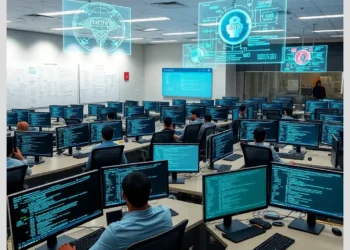
Hands-on labs and simulated environments bridge this gap by allowing learners to engage directly with forensic tools, real operating systems, and network configurations. These labs mimic real-world scenarios such as data breaches, ransomware attacks, or insider threats, providing a safe space to practice investigative techniques.
For instance, a lab exercise might involve recovering deleted files from a compromised Windows system or analyzing network logs to identify unauthorized access. Such experiences build confidence and technical skills that theoretical lectures cannot provide.
Moreover, practicing in controlled environments helps learners understand the nuances of forensic artifact identification and the importance of preserving evidence integrity. It also fosters critical thinking and problem-solving abilities essential for incident response.
Top digital forensics courses incorporate these labs extensively, often using advanced cyber ranges or virtual machines to simulate complex attacks. This immersive approach accelerates learning and better prepares students for real investigations.
Without hands-on training, professionals risk being unprepared for the practical challenges of digital investigations, limiting their effectiveness in IT audit and cybersecurity roles.
Core Competencies Developed in Digital Forensics Courses with Real Labs
Digital forensics courses with real labs focus on building a broad set of competencies that are crucial for effective cyber investigations and IT audit support.
- Evidence Collection and Preservation Techniques Learning how to identify, acquire, and preserve digital evidence while maintaining chain of custody to ensure admissibility in legal contexts.
- Data Analysis and Forensic Artifact Identification Skills to analyze file systems, logs, memory dumps, and network traffic to uncover signs of compromise or malicious activity.
- Incident Response and Cyberattack Investigation Methods Procedures to respond to security incidents, reconstruct attack timelines, and mitigate ongoing threats.
- Use of Forensic Tools on Various Systems Hands-on experience with industry-standard software on Windows, Linux, and mobile devices to perform comprehensive investigations.
- Network Security and Malware Analysis Fundamentals Understanding network protocols, detecting anomalies, and dissecting malware behavior to identify attack vectors.
- Legal and Ethical Considerations Awareness of laws, regulations, and ethical responsibilities governing digital investigations and evidence handling.
These competencies collectively enable professionals to conduct thorough forensic investigations, support IT audits with concrete evidence, and contribute to organizational cybersecurity resilience.
Detailed Breakdown of Typical Digital Forensics Course Curriculum
A well-structured digital forensics course designed for IT audit professionals typically covers the following modules
- Introduction to Digital Forensics and IT Audit Fundamentals Overview of forensic science principles, audit objectives, and the role of digital forensics in cybersecurity.
- Forensic Investigation Procedures and Chain of Custody Step-by-step methods for evidence acquisition, documentation, and maintaining integrity throughout the investigation.
- Hands-On Labs Practical exercises such as recovering deleted files, analyzing system and network logs, and tracing network breaches to simulate real investigations.
- Malware Analysis and Reverse Engineering Basics Techniques to identify, analyze, and understand malicious software behavior.
- Incident Reconstruction and Reporting Methods to piece together attack timelines and prepare detailed forensic reports for stakeholders.
- Compliance and Risk Assessment in IT Audit Context Understanding regulatory frameworks and assessing organizational risks related to cybersecurity.
- Certification Preparation Training aligned with certifications like Certified Computer Forensics Examiner (CCFE) to validate skills and knowledge.
This curriculum ensures a balanced mix of theory, practical skills, and professional standards, equipping learners for real-world challenges.
How Real Labs Enhance Learning Outcomes in Digital Forensics Training
Real labs, including cyber ranges and virtual environments, are game changers in digital forensics education. They provide a realistic setting where students can experiment, make mistakes, and learn without risking actual systems.
Cyber ranges simulate complex networks with multiple devices, operating systems, and security controls. Students can perform forensic tasks like data recovery, malware detection, and network traffic analysis in these controlled setups.
A typical lab exercise might start with a scenario briefing, followed by guided steps to collect evidence, analyze artifacts, and document findings. This hands-on approach reinforces learning by doing.
Using real hardware and software setups exposes learners to the quirks and challenges of actual forensic work, such as dealing with encrypted drives or corrupted files.
Collaborative projects in labs encourage peer learning, communication, and teamwork—skills vital for professional forensic investigations.
Overall, real labs transform abstract concepts into tangible skills, making training more effective and engaging.
Profiles of Leading Digital Forensics Training Providers with Real Labs
Several institutions in the United States offer top-tier digital forensics courses featuring real lab experiences
- Pace University’s Cyber Range and Digital Forensics Research Lab Offers immersive labs simulating real cybercrime investigations with access to advanced forensic tools and expert faculty guidance.
- Security Blue Team Focuses on defensive cybersecurity training with hands-on digital forensics labs, emphasizing incident response and threat mitigation.
- KTC’s Digital Forensics Program A comprehensive 3-4 month course combining interactive lectures, collaborative projects, and real-world scenarios to master forensic investigation and legal-ethical considerations.
- Computer Forensics Boot Camps Intensive programs preparing students for certifications like CCFE, featuring over 30 hands-on labs covering Windows and Linux systems.
| Provider | Duration | Lab Access | Certification Support | Approximate Cost |
|---|---|---|---|---|
| Pace University | Varies (Semesters) | Advanced Cyber Range | Yes | $3,000 – $6,000 |
| Security Blue Team | Ongoing Courses | Hands-On Labs | Yes | $1,500 – $3,000 |
| KTC Digital Forensics | 3-4 Months | Real-World Scenarios | Yes | $2,500 – $4,000 |
| Boot Camps (Various) | Weeks to Months | Extensive Labs | Yes (CCFE) | $2,000 – $5,000 |
Integrating Digital Forensics Skills into IT Audit Careers
Combining digital forensics expertise with IT audit capabilities significantly enhances an auditor’s ability to detect, analyze, and respond to cyber threats. Forensic skills enable auditors to validate security controls through evidence-based investigations.
For example, IT auditors with forensic training can perform detailed log analysis to uncover unauthorized access, verify compliance with data protection policies, and support internal investigations with technical findings.
This integration opens diverse career pathways, including roles such as forensic auditor, cybersecurity analyst, incident responder, and compliance officer. Professionals equipped with both skill sets are highly valued in sectors like finance, healthcare, government, and law enforcement.
Essential technical skills to develop include proficiency with forensic tools, understanding of network security, malware analysis, and incident response protocols. Certifications such as CCFE, Certified Information Systems Auditor (CISA), and GIAC Certified Forensic Analyst (GCFA) further validate expertise.
Ultimately, mastering digital forensics within IT audit roles empowers professionals to contribute more effectively to organizational security and risk management.
Common Challenges and Mistakes in Digital Forensics Training and How to Avoid Them
Many learners face hurdles when pursuing digital forensics training, especially if they rely too heavily on theory without practical application. This gap can leave them unprepared for real investigations.
Another common mistake is neglecting the legal and ethical frameworks that govern forensic work. Understanding laws related to privacy, evidence handling, and admissibility is crucial to avoid compromising investigations.
Insufficient focus on incident response and reporting skills also limits a professional’s effectiveness. Being able to reconstruct incidents and communicate findings clearly is as important as technical analysis.
To maximize learning in hands-on labs, students should
- Engage actively with all exercises, experimenting beyond instructions
- Collaborate with peers to share insights and approaches
- Ask questions and seek feedback from instructors
- Review legal and ethical guidelines regularly
- Practice documenting findings thoroughly and clearly
By addressing these challenges, learners can build a solid foundation and avoid common pitfalls in digital forensics education.
Real Opinions and Experiences from Digital Forensics Students and Professionals
Many students praise the value of real labs in digital forensics courses. Jane M., a cybersecurity analyst, shared:
“The hands-on labs transformed my understanding. Being able to work through actual forensic cases made the theory click and boosted my confidence.”
John D., an IT auditor, noted:
“Combining digital forensics with IT audit skills has opened new doors for me. I can now provide deeper insights during audits and support incident investigations effectively.”
Experts emphasize that immersive training with real-world scenarios is key to developing practical skills. According to Dr. Darren Hayes, a digital forensics instructor:
“Our cyber range offers a safe yet realistic environment where students learn by doing. This approach is essential for preparing them to face real cyber threats.”
Community forums and discussion groups also reflect enthusiasm for courses that balance theory with extensive lab work, highlighting improved job readiness and certification success.
Essential Practical Tips for Digital Forensics Courses with Real Labs
Hands-On Learning Benefits
- Engage actively with labs to build confidence and technical skills.
- Practice evidence collection, malware analysis, and incident response in simulated environments.
- Use cyber ranges and virtual machines to experience real-world forensic challenges safely.
Core Competencies to Develop
- Master evidence collection and chain of custody protocols.
- Analyze file systems, logs, memory dumps, and network traffic for forensic artifacts.
- Develop incident response skills and cyberattack investigation methods.
- Gain proficiency with forensic tools across Windows, Linux, and mobile platforms.
- Understand legal and ethical considerations in digital investigations.
Maximizing Training & Avoiding Pitfalls
- Actively participate and experiment beyond lab instructions.
- Collaborate with peers to enhance learning and share insights.
- Regularly review legal and ethical guidelines to ensure compliance.
- Practice thorough and clear documentation of forensic findings.
- Avoid relying solely on theory; prioritize practical application.
Career Integration & Certification
- Combine digital forensics skills with IT audit to enhance threat detection and response.
- Pursue certifications like CCFE, CISA, or GCFA to validate expertise.
- Explore career paths such as forensic auditor, incident responder, and cybersecurity analyst.
- Develop skills in forensic tools, network security, malware analysis, and incident response protocols.
Future Trends in Digital Forensics and IT Audit Training
The field of digital forensics is evolving rapidly, influenced by emerging technologies and changing cyber threats. Artificial intelligence and machine learning are increasingly integrated into forensic tools to automate evidence analysis and detect anomalies faster.
Cloud forensics is gaining prominence as organizations migrate data and applications to cloud platforms. Investigators must adapt to new challenges like virtualized environments and distributed data storage.
The Internet of Things (IoT) introduces additional complexity, requiring forensic techniques tailored to diverse connected devices and sensors.
Cyber ranges and immersive training platforms continue to advance, offering more realistic simulations and collaborative exercises that mirror modern cyberattack scenarios.
Continuous learning is vital to keep pace with these trends, ensuring IT audit and digital forensics professionals maintain compliance and effectively manage risks.
Summary: Why Digital Forensics Courses with Real Labs Are Essential for IT Audit Professionals
digital forensics courses featuring real labs provide IT audit professionals with indispensable practical skills to investigate cyber incidents, analyze digital evidence, and support organizational security.
Hands-on training bridges the gap between theory and practice, enabling learners to master forensic tools, incident response, and legal considerations. Leading programs offer immersive environments that simulate real-world challenges, enhancing readiness for certifications and career advancement.
By integrating digital forensics expertise into IT audit roles, professionals can deliver more comprehensive risk assessments, improve compliance, and contribute to stronger cybersecurity defenses.
For those seeking to grow in this field, pursuing courses with robust lab components is a strategic investment in both knowledge and career.
References and Further Reading
- Computer Forensics Boot Camp Training – NICCS
- KTC Digital Forensics Course
- Security Blue Team Digital Forensics Courses
- TryHackMe Digital Forensics and Incident Response
- Pace University Digital Forensics Research Lab
- Paraben Digital Investigation Training Courses
- Digital Forensics Live Training – Xeyecs Academy
- CyberDefenders Blog on Digital Forensics and Incident Response
- Cyber Sleuth Science Lab
Frequently Asked Questions About Digital Forensics Courses and IT Audit
- What are the prerequisites for enrolling in digital forensics courses with real labs?
Typically, a basic understanding of IT concepts and operating systems is recommended. Some courses may require prior cybersecurity or audit experience. - How do hands-on labs improve forensic investigation skills?
They provide practical experience with tools and scenarios, helping learners apply theory, troubleshoot issues, and build confidence in real investigations. - Can IT auditors benefit from digital forensics training?
Absolutely. Forensic skills enhance auditors’ ability to detect security incidents, analyze evidence, and support compliance efforts. - What certifications complement digital forensics courses?
Certifications like Certified Computer Forensics Examiner (CCFE), Certified Information Systems Auditor (CISA), and GIAC Certified Forensic Analyst (GCFA) are popular choices. - How long does it typically take to complete a comprehensive digital forensics program?
Programs vary from a few weeks (boot camps) to several months (3-4 months for in-depth courses). - Are there free or low-cost options for practical digital forensics training?
Yes, platforms like TryHackMe offer free modules with hands-on labs, though comprehensive certification courses usually require payment. - How do digital forensics courses prepare students for incident response roles?
By teaching investigation techniques, evidence handling, and incident reconstruction, courses equip students to respond effectively to cyber incidents. - What legal knowledge is essential for digital forensic investigators?
Understanding evidence admissibility, privacy laws, chain of custody, and ethical guidelines is critical to ensure investigations are legally sound.
What do you think about the importance of hands-on labs in digital forensics training? Have you ever faced challenges applying forensic skills in your IT audit work? How would you like to see digital forensics courses evolve to better prepare professionals? Share your thoughts, questions, or experiences in the comments below!